Neil Costa:
People have the opportunity to put more of their company's brand, the corporate TA brand, out there. And I think that it's gonna be challenging for job boards, because people are not just asking, you know, job and location, people are asking more complicated things. And the holder of all that information, and when I say, you know, they're asking more complicated things.
They're asking about benefits. They're asking about, you know, is it close to the beach? Is there a good, you know, employer brand? What's the, what are the, how do they treat their employees? Like, they're asking really more complicated questions, and traditional job boards are only prepared to answer, you know, where, you know, what's a job and where is it, and, you know, a few other things that are included in a company profile.
Steve Smith:
Hey everyone, welcome back to another episode of Work Tech Weekly. I'm Steve Smith, Managing Director of Growth at Rep Cap.
Every employer right now is trying to win back candidates with a better career site or a faster apply button. Fewer are asking what happens when candidates stop searching the way they used to. Job seekers are turning to AI agents to ask about benefits, culture, and fit before they ever open a job posting. Most employers still don't have an answer ready.
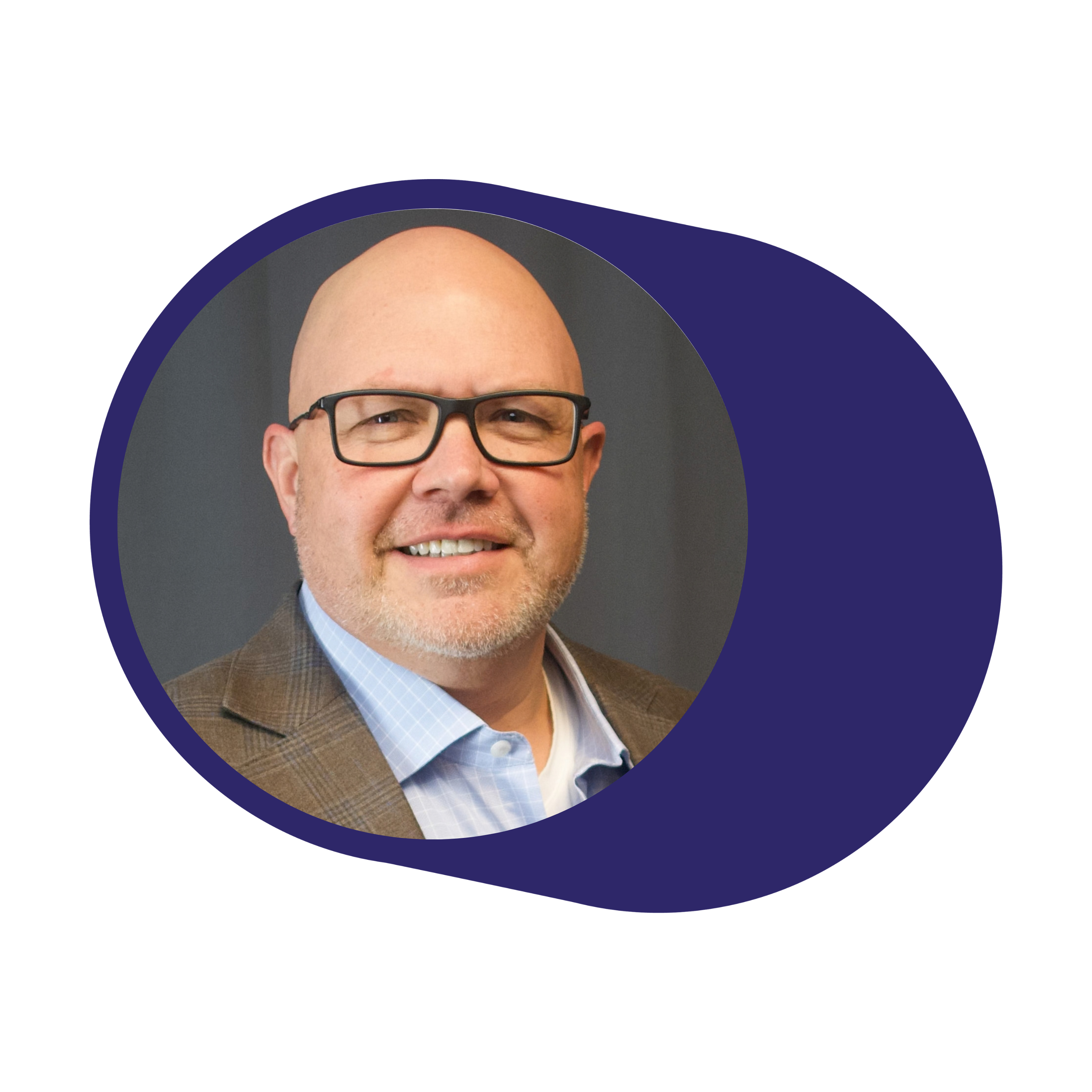
My guest today is Neil Costa, Founder and CEO of HireClix. HireClix is a recruitment marketing agency that also builds career sites and quick apply technology for employers. Neil started his career in e-commerce in 1996 and spent years at Monster before building HireClix from the ground up, so he has lived through nearly every shift this industry has been through.
In this conversation, we talk about why answer engine optimization is replacing SEO as the next fight for visibility, how career sites are becoming the new e-commerce experience for candidates, and what quick apply technology is actually solving. Neil also lays out the one question every HR leader should be asking the AI vendors lining up outside their door.
If you're trying to figure out where recruitment marketing goes next, this episode gives you a real roadmap.
Let's get into it.
Neil, welcome to the podcast.
Neil Costa:
Thanks so much, Steve. Happy to be here. Appreciate it.
Steve Smith:
It's great to finally talk to you, like I was mentioning in the Green Room. I've known of you for a long time, really excited to talk to you. And I mean, part of it is, you know, you've been doing this for a minute and, you know, when you think about it.
You know, and I've been doing this for longer than a minute too. What I think is really interesting right now is, like, what's something that has changed in talent acquisition and recruitment marketing, and what's something that stayed embarrassingly the same?
Neil Costa:
That's a really good way to start, man. I think the change is, I mean, the change is constant right now. I mean, it just feels like, you know, it's just... we're at a really interesting moment in time where, like, you know, the emergence of AI is disrupting everything. You know, we always think of things front office and back office, you know, like, you know, the operations in TA, and like the front office being all the stuff that's happening with, you know, how candidates are using ChatGPT and Claude and Perplexity and all that.
And the back office is like all the operational things that AI can impact. So that's clearly the biggest change. But, you know, the bottom line is, it's like going from the old big job board days to, you know, there's still big job boards. They still have a lot of power, and, like, that's, you know, a little bit of the same.
And then, I mean, the people are the same too, right? There's so many of the people that, you know, for so long. And I love it, you know, it's a great small community that we all operate in, and, you know, it's nice to see familiar faces and all that good stuff.
Steve Smith:
You know, I think one of the things that I'm really kind of interested to talk to you about is, you know, when you think about, like, recruitment marketing, you know, obviously it's just like, I come out of agency background, buying and selling media. That's been a big part of it. And you think about large brands buying at industrial scale, and now we're in this AI moment where it's just like, oh, we don't have to do that anymore. All we have to do is optimize around AI and bing, bang, boom, it's done.
So where are employers, and employer, you know, branding, either agencies or big brands, where's their head at right now? What's the conversation going on that you're hearing about?
Neil Costa:
Yeah, I mean, I think that, you know, I would probably stop short of saying that, you know, we can rely completely on the changes that AI is impacting, but I do think that there's this notion of being able to adjust. You know, what we talk about is typically a recruitment marketing mix, and I think that most employers, if there's, current state, or current state over the last 10, 15 years, is that they have enough money to advertise their jobs and get direct response supplies, but they're always short on employer branding dollars. Right? They always wish they could do more on employer branding dollars, and I think that hasn't changed a whole lot.
I think AI gives us an opportunity to maybe get more, you know, if you're in the PR world, the public relations world, to get more earned traffic or earned visibility. And I think that's a nice reset for all employers right now to try and take advantage of, what can they do to earn visibility, because it's been dominated by a few players for a long time.
Steve Smith:
It seems like that earned component is only becoming more important, because when you think about, okay, so you set up, you know, a job site and you're trying to shape and massage your story, but we're rapidly moving into an environment where, you know, you get enough people posting on Reddit, or, you know, whatever online community of choice, it doesn't really matter what you're doing, you're not in control of the narrative anymore. Or, how are brands kind of wrestling with that new reality?
Neil Costa:
Yeah, I mean, I think that, you know, I mean, Reddit is truly one of the most interesting properties from an advertising perspective. We probably started using it for recruitment advertising and employer branding about four years ago, and, you know, we're just seeing a ton of traction from, you know, click-through rates and engagement.
And so, I mean, I think it's a really viable source of job seekers right now. I mean, they're typically passionate about something, or they're checking with someone else, and they're getting that, you know, tacit third-party endorsement, or maybe a tacit, or not-so-tacit, you know, third-party rejection of a brand.
And so I think Reddit is a really powerful media channel that we're excited about in general.
Steve Smith:
Well, you know what, something that I find really interesting about your background is this scope of, you know, what you've seen. I mean, you came out of Monster, so you've seen the big job boards back during their heyday, and then moving into, you know, recruitment marketing and really kind of getting into that.
What's the thing that, kinda, like, when you're looking at kind of the sweep of things that we've seen over the past, say, 15 or 20 years? What is the thing that you think that maybe people don't understand about kind of this moment we're at and just how much change we've seen?
Neil Costa:
Yeah. I mean, and I would say, Steve, I started my career in e-commerce in 1996. So, you know, people back then, you know, actually said, like, nobody's gonna put their credit card on the internet. Right? And I think that's where, so my perspective starts there. In 1996, I started at Monster in 2004.
And I mean, it was a great company. It was a great brand. It was so much fun. I was on the online advertising team, and we, you know, we were charged with the opportunity of presenting someone an opportunity to find a job while they were going about their business. You know, we were the job board, so we had to capture them.
And we had, you know, media deals on news sites, on industry associations, on eBay, like, you name it. We're trying to get people to, you know, like, hey, you know, some of our creative was like kind of funny. Like, hey, is your commute too long? Like, you know, click here and sign, find a new job. And so that's kind of where it started.
By the way, that era is referred to as, I worked there when Monster mattered. That's how I've always been told to, you know, reflect on that period of time. And it was, though, a big deal. I remember when Indeed came in and asked about scraping our jobs and all that kind of good stuff, and, you know, but it was a great brand, and so I think what we're seeing now is that.
People have the opportunity to put more of their company's brand, the corporate TA brand, out there. And I think that it's gonna be challenging for job boards, because people are not just asking, you know, job and location, people are asking more complicated things. And the holder of all that information, and when I say, you know, they're asking more complicated things.
They're asking about benefits. They're asking about, you know, is it close to the beach? Is there a good, you know, employer brand? What's the, what are the, how do they treat their employees? Like, they're asking really more complicated questions, and traditional job boards are only prepared to answer, you know, where, you know, what's a job and where is it, and, you know, a few other things that are included in a company profile.
But because people are asking more specific questions, employers are in a position to answer those specific questions. And I think that's the really exciting, you know, part about it, is it's sure, it's your EVP, it's your benefits, but it's really just your story and how do you connect with your employees.
And so I think that's, it's a really cool moment in time to be able to tell our story. When I say "our," I mean, you know, as an agency and our collective customers, like, you know, we consider ourselves part of the team, and we want to tell their story.
Steve Smith:
Well, tell us a little bit about what's going on at HireClix. 'Cause you started off as just a kind of a straight-ahead recruitment marketing agency, but you're building product. You know, what kind of, what brought into the shift where you're like, you needed to, you said yourself, you know, we need to be building these products?
Neil Costa:
Yeah, we, I mean, you're absolutely right. We started off, you know, managing Indeed and LinkedIn contracts and ZipRecruiter, and, obviously, coming from the consumer brand space at Monster, I was very familiar with display and search and all that good stuff. So we've been doing that for a long time.
We still do that. I think we do a really good job at that. That core service when we started was all about making sure we track all the way into the ATS. And, Steve, I'll tell you, I'm still surprised today how few people track from the start of their campaign to the cost per hire, and for us it's like religion.
You know? You have to be able to do that. You have to be passionate about that. These are tough problems to solve in a lot of cases. So that service is still there. That commitment to figuring out the return on investment is a big part of it. But what started happening, you know, we have a creative team that's in-house here.
You know, you find that a lot of corporate TA teams are not getting access to the creative team and their corporate marketing team. And that's number one. And then you also have a general level of dissatisfaction with their career site. That led to us designing cooler landing pages for our campaigns.
So we were basically helping them, you know, redirect, do a bypass around the career site. And then finally we're like, well, if we commit to getting into the career site business, we think we can solve a lot of these problems. I mean, some of those solutions too, like, you know, if we were sending it to someone's career site and the career site hadn't committed to the tracking, you know, we could track the inbound campaigns to the career site, but then they wouldn't properly pass them over to the ATS to get the full story.
So we basically, about three years ago, just had to get into it. And, you know, I certainly tried as long as possible to be tech-agnostic, because I think it's a big challenge. It's a different business to run a technology company and a SaaS-based company. And, you know, I felt like we had to wait to the moment we were ready for it and wait to the moment that the clients really needed it and we could provide something that's a good value to them.
So that's the biggest change for us, is that we've added that career site business.
Steve Smith:
Well, you know, when you think about the worst part about job boards, and why they, I think, ultimately moved in the direction that they did, it was the candidate experience. It was, you went through a process, you hit submit, and then you didn't hear anything.
And, you know, one of the things that I really kinda like about what you're doing is you're really taking a very pro-candidate-experience point of view. You've got some research recently that came out that said 36% of applicants drop off because the application process is too painful.
Neil Costa:
Yeah.
Steve Smith:
When you saw that number, what did you think about that?
Neil Costa:
Yeah, I mean, I think of it as, you know, a missed opportunity, right? For every dollar I'm spending, and I'm gonna lose, you know, a third of them just because the apply process is too long. And I think, again, it's, a lot of it's driven from, like, you know, what if those were the right candidates, right?
What if a third of those candidates were all the right candidates, who, maybe they're, you know, senior salespeople, maybe they're software engineers, or maybe they're, you know, good store managers, and they just dropped off because they're like, I don't need this. I have a good job, and I'm just looking for options.
So, you know, from my perspective, we're trying to give them a good candidate experience, meaning, like, a visually engaging experience that is, we always talk about it being as close to a current e-commerce experience as possible. You know, people go to shopping sites and it's pretty easy to pull off transactions, and, you know, why would they, in their day-to-day lives, tolerate something that's not visually appealing, first and foremost. And then, secondly, the ease of actually executing on the transaction to apply for the job. And so I think that for us, the visually appealing part was, I mean, we've just got a great creative team.
We always partner well with the corporate marketing team, 'cause, again, they want to help, but they just don't have time. So, you know, showcasing that you know how to follow brand standards, you're gonna be a good brand partner. It sounds easy, but it's really important. And I think the other part, that kind of first visual experience, when you get to the career site, so many career sites, and you know this, so many career sites are templates.
And you could tell, you know, SmashFly career site over and over again because of the templates. And what I love about ours is that you couldn't recognize one from another. And that's because the way we've built the underlying content management system, you've got maximum flexibility.
And so, you know, there's no template to a Nike brand, right? They do their own thing. And so we wanna put everybody in a position to, you know, build their own brand. Not that Nike's a customer, but I'm just saying, they didn't build that brand by having template-driven ideas. And so I think that we want to give everybody their kind of proper due by getting them the brand experience they want.
Steve Smith:
Well, and another thing that I love about what you're doing is just taking friction out of the process, really. You know, like this entire quick-apply concept, it's just like shorter forms, don't force someone through an ATS, and you're seeing much better conversion rates as a result from it.
Neil Costa:
Oh, it's unbelievable. And thank you for mentioning that. The quick apply is, I mean, again, most career sites that we build, you go from the career site experience, then you would apply and you go over to the ATS. With that comes a bunch of problems. You know, we all need to operate in a compliance-driven environment that is supported by the ATS, but it's not the best e-commerce experience.
So what we've done is developed a quick apply for Workday and for iCIMS, so that way we're directly popping up a modal that they can type their information into. You know, we basically worked with iCIMS and Workday to have the minimum requirements, or whatever the client minimum requirements are, and we can inject those applications right in.
They never see Workday. So that becomes, you know, it's not without its challenges on the backend. You have a different workflow. You need to encourage them to come to the rest of it. That being said, we have a client that requires security clearance at varying levels. Those are people that we don't wanna let get away if they've gotten to the site.
And so if it makes it easier for them to apply, then we can capture those people and have them be applicants in the system, and the recruiters are happy to do the work to get them to a full apply. And just one other thing on that too, is that the thing I love about the solution is that we can control it on a req-by-req basis.
So if you have a security clearance job that needs applicants and it's hard to find them, and you have a receptionist job, you don't have to turn on quick apply for everything. It's quick apply on a req-by-req basis, which is, again, thoughtful from a recruiting perspective as well.
Steve Smith:
Yeah, that idea makes a lot of sense.
You know, when you think about, you know, this idea of the recruiting front door being broken, it's like, it seems like we've been saying that for like 10 or 15 years. So, I mean, maybe the presumption is it's never not been broken, but it feels a little more broken now. And where do you think that's coming from?
Is this something about the way that, on the employer side, they're looking at it, is it something about the market dynamics right now? What's going on, in your point of view?
Neil Costa:
Yeah, I mean, I think that people have, and it is so true, I went to a conference where I was speaking to about a hundred TA leaders, and I asked them to raise their hand on who was proud of their career site, and one person raised their hand. And so, like, that's really hard to accept, that only 1% is happy with their career site.
I think it's just a matter of a little bit of technology fatigue, right? I think that people have been burnt by implementations, by transitions, I think that there's a lot of burnout on it, and I think a lot of bad implementations are causing people to hesitate to put in new technology.
I think that the other part is that there's a speed component to it, that is like, okay, I can do a new career site, but it's gonna take me 6, 9, 12 months. And so as we went to market, those are some of the things that we had to take out of the equation. So we really wanted to shorten it down.
I mean, the fastest career site we've done is 37 days. And that is not ideal for us either, but it had to be done, because someone's contract was expiring. And, again, it's hard to find a partner who's got technology and the service side of it. And I think that's what makes us a little bit of a partner of choice in this moment in time, because.
If you just have a technology partner who says, sure, you can buy our career site technology, but then go find the design team, go find, you know, someone who's gonna work, that's not helping a lot. And so, because we're in this position where a tech-enabled service, or service-enabled technology, you can call it one way or the other, you know, it's, but it's that we're not just selling you a box to go figure out, we're selling you a smart, solution-based partner who's going to use the technology and get you what you need.
Steve Smith:
Well, and, you know, with, in this environment right now, where we've seen in the past, you know, three, four years, AI completely accelerating everything, you know, what used to be, great, we can do that in six months or 12 months, has now become, well, can we get it done in three or six weeks, you know, and.
And it's really, I mean, it's rewriting the hiring funnel from both sides, you know, between AI is weaponizing candidates, you know, and sometimes not for the better, you know, fake candidates, AI-generated resumes that are enhanced. And, but then on the other side, the, you know, all of the things that we're seeing there, what's the candidate experience problem that you think AI has made the most urgent, from your point of view?
Neil Costa:
I mean, I think that, you know, the candidate experience, like, look, if I'm a job seeker, I always want what's best for me, right? These are major life decisions, and I think that the AI technology, as a partner in looking for a job, it is a good thing in general. People can be more specific about what they want, what they're looking for, and what matches them.
So they should be a smarter consumer because of the legwork that the AI is doing for them. The downside is, you know, fake candidates, for sure. The rapid ability to apply, for sure. And, you know, I think those are the counterbalance of it. But I think that when someone comes through the front door and they've come from an AI source, like, we can tell in our career sites the tracking of, like, which candidates come from, you know, Claude or Perplexity or ChatGPT.
And so, we're waiting to see, we need a little bit more data before we can define it, but, like, are we getting better-quality candidates from there? But that's what I would anticipate, that there'll be better shoppers, there'll be better consumers, and if they found us with AI, and, you know, AI-supported search, that we probably should get better quality out of that.
Steve Smith:
So, you know, when you think about answer engine optimization, how is that changing things, and what are the conversations you're having with your clients about AEO right now?
Neil Costa:
Yeah, I mean, I can tell you a year ago, you know, we're building career sites and we're putting up, you know, content, we're SEO optimized, we're optimizing the job content for Google for Jobs. And now, a year later, it's, we are doing all of those things, 'cause they're all really important, but there's so much more that we're doing related to AEO. And number one is that FAQs are part of every client, you know, career site now. Blogs, and being able to put blogs in a position to be indexed and found, is another opportunity as well.
So that kind of, that idea of making Glassdoor content available is really important too. There's always gonna be independent sites. I think Built In is doing a great job right now in building content. So they're doing a really nice job. I think some of the career sites on Indeed, and some of the career pages, company pages, on Indeed and Glassdoor, are getting a lot of traction still.
But I think that we are putting them in a position to create content that gets found. So, at this point, with our career sites, we are trying to figure out what tools we can use to anticipate the prompts that are coming to our career site. What tools can we use to anticipate the prompts that are going to our competitors' websites, so that way we can give proper guidance on what you should be feeding the machine.
And so that's part of it. I mean, there's the blocking and tackling of, if you have a hundred jobs or a thousand jobs, getting them out and making them available to each of the, you know, AI agents. Sorry about that. But getting, you know, my hundred jobs, thousand jobs, 10,000 jobs, out to the AI agents and getting them found by submitting the proper schema, that's the blocking and tackling.
It's the other part, can I anticipate what they're gonna ask, and how do I be present when they ask those questions? You know, some of that content, the way we're handling it, it's not found through career site navigation. Some of it has to be landing-page specific, right? If I know all of my software engineers like to surf, and my company's in Santa Monica, then it's probably worth having a couple pages about surfing at Company X near Santa Monica.
Steve Smith:
When you're thinking about either what the AI opportunity is, or what the broken process cost is, what does this mean in terms of losing out on candidates, or seeing candidate quality suffer, or seeing cost per candidate suffer, as a result?
Neil Costa:
Yeah, I mean, I think that for a lot of companies it's really hard to make headway on Google search, right? And that's because you've got a really crowded field there. Right. Whenever we talk about candidate behavior, we talk about branded search versus general search, right?
Branded search, if I'm, you know, the 99 Restaurants up here in Boston, and I'm looking for a job, that's a branded search. If I'm just looking for a bartender job outside of Boston, that's an unbranded search. So how do I, you know, it's really tough to be competitive in those regards. I can tell you, in that particular case, 99's a career site client. In ChatGPT, we are competitive there.
Because it's still early days. So when you type in, you know, bartender jobs in, you know, Woodburn, Massachusetts, or Burlington, Massachusetts, like, you're gonna see the 99's there with Indeed, with Glassdoor, you know, with maybe one other brand. I think I remember being there too. So, like, the fact that we can get there.
This is everybody's opportunity to be competitive with the job boards and try and get to that real estate on the AI agents before it's too late, before this complete domination and we're boxed out. I think it's really a fresh opportunity to match up with job seekers where they're spending time.
Steve Smith:
Well, you know, what's sort of interesting right now about job boards is, I think that we've been having the job-boards-are-dead conversation for, you know, over a decade now. And, you know, it makes for good blog fodder or conference conversation.
But it hasn't really borne out in reality, because they're still around. But it does feel like, maybe because of AI, things are a little different this time. Do you think that, you know, we, I think we talk about AI being an existential threat to a lot of technologies, is this the death knell for job boards?
Is AI what's gonna finally put 'em under?
Neil Costa:
Yeah, I don't think it's the death blow, for sure. I think that it's gonna make it challenging. I think they have a lot of resources and a lot at stake to make sure that they carve out their real estate in that new world. So I don't think it'll be the end. I just think it's gonna be an opportunity to change direction, and, you know.
I mean, it's just a reset for employers, and it's a reset for all the job boards too. You know, I think that some of the smaller job boards that maybe felt like they were on the edge, you know, this could breed some new life into them if they think differently about serving up the content and the information that gets indexed by those new AI's.
Steve Smith:
Well, you know, another thing that keeps coming up in conversations with buyers, and in actual HR people, is, none of it makes sense to them in terms of like market claims, messaging, and positioning. It's just like what they're seeing is, oh, there's a product and it has AI, and I don't know what it does.
If you're a CHRO right now, or head of talent acquisition, and you're getting pitched by 15 AI vendors every day, what's the one question that they should be asking that they're probably not? What's something that will help them make some sense of a market that, in a lot of ways, probably doesn't make sense to them?
Neil Costa:
Yeah, I mean, I think that it's gonna be, it's still gonna be really hard for the next, you know, 12, 18, 24 months, maybe even longer, to figure out who the real players are, and who isn't. I mean, I think that when you do a call with an AI vendor, you should definitely be asking, like, what's your strategic advantage?
You know, what's the thing that's gonna actually, because so many things are replicable in such a short window, is that, you know, if someone shows me functionality, like, how long is that gonna be your advantage? And I think that's, you know, you're gonna have to form your own opinion, but you should get that explicit information from them.
And, you know, how easy is this to replicate? Who are the competitors that you see? 'Cause I think that's another part too. If there's, if there's no world where there's no competitors in any part of this, right, so if someone's like, we've got no competitors, like, that's a red flag right there.
Like, there should be someone who sees it as an addressable market just as much as you do. I don't think anyone we know has that much magic in our HR industry. So, but I think that's really the number one thing I would ask, is how is it defendable, right? And I think that's an important question.
How is it defendable? Who are your competitors? Those are really important things to have answered. And I think the other part is just maximum flexibility. You know, there are some vendors that, you know, maybe an ATS vendor's still looking for three-year contracts, four-year contracts, you know, it's hard to imagine some of these newer things, it's hard to imagine signing up for two and three years.
Steve Smith:
Yeah, absolutely. You know, when you think about the competitive landscape now, where you've got, you know, Indeed and LinkedIn and big HCM platforms on one side, and then you've got either AI startups or boutique agencies on the other, when you're positioning in that environment, what's your actual wedge?
Neil Costa:
I mean, you know, what's our wedge to win the business, or to?
Steve Smith:
Yeah, how do you stand out in a noisy market?
Neil Costa:
Yeah. For us, I think it still comes back to service, right? And I think that we are always a better agency when we learn our client's business. That's fundamentally, you know, from the beginning, if I don't understand your business, then I'm just putting ads on the job boards and ads out in Google and display and whatever the case might be.
If I don't have enough at stake to understand what's happening downstream, meaning, I mean, there are places where I've gone and talked to the general manager of a warehouse, or talked to the general manager of a factory, and we've talked about their specific problems. So if you're looking for an agency partner that takes the time to understand your business, they will always be a better marketing partner, recruitment marketing partner, employer branding partner.
So I think that's a big deal, and I think that's what we do. And then I think the other part is the downstream stuff. If I send you 10,000 applicants, and I do it with programmatic, and it's super cheap, it's $3 an application, right, that sounds amazing to some people, but if you know the reality of what happens after that.
How many of those people made it to an interview? Which sources provided the most people for interviews, which, you know, sources provided the hires, like, those are the rest of the story if you're an NPR person. Right. You know, so you need the rest of the story to be a good partner. So I think for us it's understanding the business on the front end, being committed to the ROI on the backend, then we can come up with new ideas.
Otherwise, most agencies are gonna keep cycling through the same ideas, and you just can't keep up as an employer if you have a partner like that.
Steve Smith:
Well, you know, one thing I'm interested in is, I like what you're talking about when you're talking about bringing an e-commerce experience to job applications. 'Cause if you think about what it's like to buy anything now versus even five years ago, there's so much friction that's come out of the process.
But you also think about, okay, if, you know, Amazon and Nike, it's one thing to optimize that experience because they're selling shoes or they're selling whatever, but, you know, candidates are choosing you. It's a, in a lot of ways, a different
Neil Costa:
Mm-hmm.
Steve Smith:
decision, and with its own dynamics. How does that change the design logic of the way that you approach things, even if you want to bring that e-comm experience to things?
Neil Costa:
Yeah, I think the biggest opportunities are on the first impressions, right? I think that, for some reason, our first impressions haven't mattered enough to people when they get to a career site, even if they see a job and they go directly to the job detail page. Well, what does that, I mean.
That's the core thing I need to look at, to see if I'm interested. But I think that there's opportunities, like small opportunities, to make those job detail pages more engaging. Certainly a homepage with, you know, content and video and action and, you know, movement and things like that. There's opportunities there as well.
But I think most employers have taken a, you know, you-get-what-you-get-and-you-don't-get-upset approach from their career site perspective, in serving up the candidates. So I think that, you know, if they come to the career site, recognizing their past search queries, recognizing that, you know, if they want to, like, we give them an option, like, hey, would you like to pick up where you left off?
Or would you like to start a new search? And then we have a little notch that says, like, if you don't want to see this again, you can put it away. So, you know, imagine being given that choice, you just aren't, in a lot of cases. And I think when we talk about the experience they get at job boards, you know, when people go to job boards, they're forced to log in, right?
Or they're forced, when they click on one job board link, to go through another job board, and then another job board, before they get to the real job.
Like, that's horrible. That's a terrible experience. So the job boards have a lot of work to do as well, to improve their role in the process.
But I think that for most employers it's just about the first impression. It's just about, you know, recognizing whether they were there or not, and not starting over. And I think from the recruiter side of things, like, you know, when someone applies to 10 different jobs, like, you know, how do we have that
positive conversation, or are they just an optimistic job seeker that, you know, is just applying for everything?
Steve Smith:
One last question I have to ask you about is your time with Segway.
Neil Costa:
Yeah.
Steve Smith:
When Segway came into the market, it maybe had the most interesting launch, because it was just like, there's this thing.
We don't know what it does, but it's gonna change everything. And it's just like, it really did get this buzz that was, I think, even before, since, unprecedented. What did you take away and learn about building a business from being at Segway?
Neil Costa:
I mean, there was, you know, probably some of the smartest people I've ever worked with there. You know, having worked with engineers who can build things was really cool, you know, and a lot of those engineers ended up at Tesla and Apple, based on, like, the battery management and the power management in the Segway, which was pretty advanced for that timeframe. So, I mean, I got very lucky working with lots of smart engineers, lots of smart business people. I think the overhype hurt us a lot. I think that the, you know, the initial announcement was that, hey, this thing's gonna cost $3,000. And, you know, there was a little
asterisk next to that, a little asterisk that didn't exist next to that on the Today Show when they talked about it, that it was $3,000 when everything was at scale. You know, we were actually charging $8,000.
So, there was a lot of backpedaling, and there was a lot, because it was so visible sometimes.
And I was doing, like, I set up salesforce.com there, and I went out and did commercial sales there, which was interesting. But, you know, going to a lot of places, there were a lot of safety people that wanted to shoot that down, like in a factory or in a warehouse. They just, because of the overhyped nature of it, it was like a target, you know what I mean?
I remember flying to Kansas and going to a warehouse, and it was like, the presentation was over in 10 minutes because the safety guy just wanted to kill it, you know? It was a long way to go and ship a Segway out and then walk out of there 15 minutes later. So, but it was a great experience.
To be around so many smart people around something that, but I think, you know, and this is like part of my thing, is, you know, I'm not a hype person. Like, I probably keep a relatively low profile, probably to my detriment to some degree. But I like to play it conservative, exceed expectations.
I like to, you know, be true to the small group of people versus, like, you know, shaking the cowbell in front of thousands of people. So.
Steve Smith:
Well, Neil, I really appreciate the time and the conversation today, and thanks for being with us and being so candid.
Neil Costa:
Sounds great. Thank you so much, Steve. Appreciate it.
Steve Smith:
Candidates now shop for jobs the way they shop for everything else. Most employers are still building career sites like it's 2015.
Job boards used to control the conversation. Now candidates ask AI agents about benefits, culture, and fit before they ever see a listing. The employers who can answer those questions in that moment are the ones who show up. The rest disappear.
Neil's answer to all of this wasn't more technology. It was the boring stuff. Track everything back to cost per hire. Actually understand the client's business instead of just running ads. That discipline doesn't sound exciting next to a conversation about AI agents and answer engine optimization, but it's the actual advantage.
The channel will keep shifting. The fundamentals will not.
If you enjoyed this episode, make sure to subscribe to Work Tech Weekly on Apple Podcasts, Spotify, or YouTube. And I'll see you next time.