Opal Wagnac:
One thing we can say about this space is like there's always a flavor of the month. Or, or the year or a couple of years, right?
So the AI washing happens. Remember employee engagement, so I don't really pay attention to the trend. And what I would say to people is the proof is in the pudding, right? I mean, I can call myself a cat. I can't function like one, you know what I mean? So it's like a lot of those things you're gonna have to cut through. You have to cut through the marketing fluff, you gotta cut through the noise and just go right into the proof.
Steve Smith:
Hey everyone, welcome back to another episode of Work Tech Weekly. I'm Steve Smith, Managing Director of Growth at Rep Cap.
The HCM market is one of the noisiest spaces in enterprise software right now. Every vendor claims to be AI native. Every platform promises transformation. And most buyers are struggling to figure out what any of it actually means for their organization.
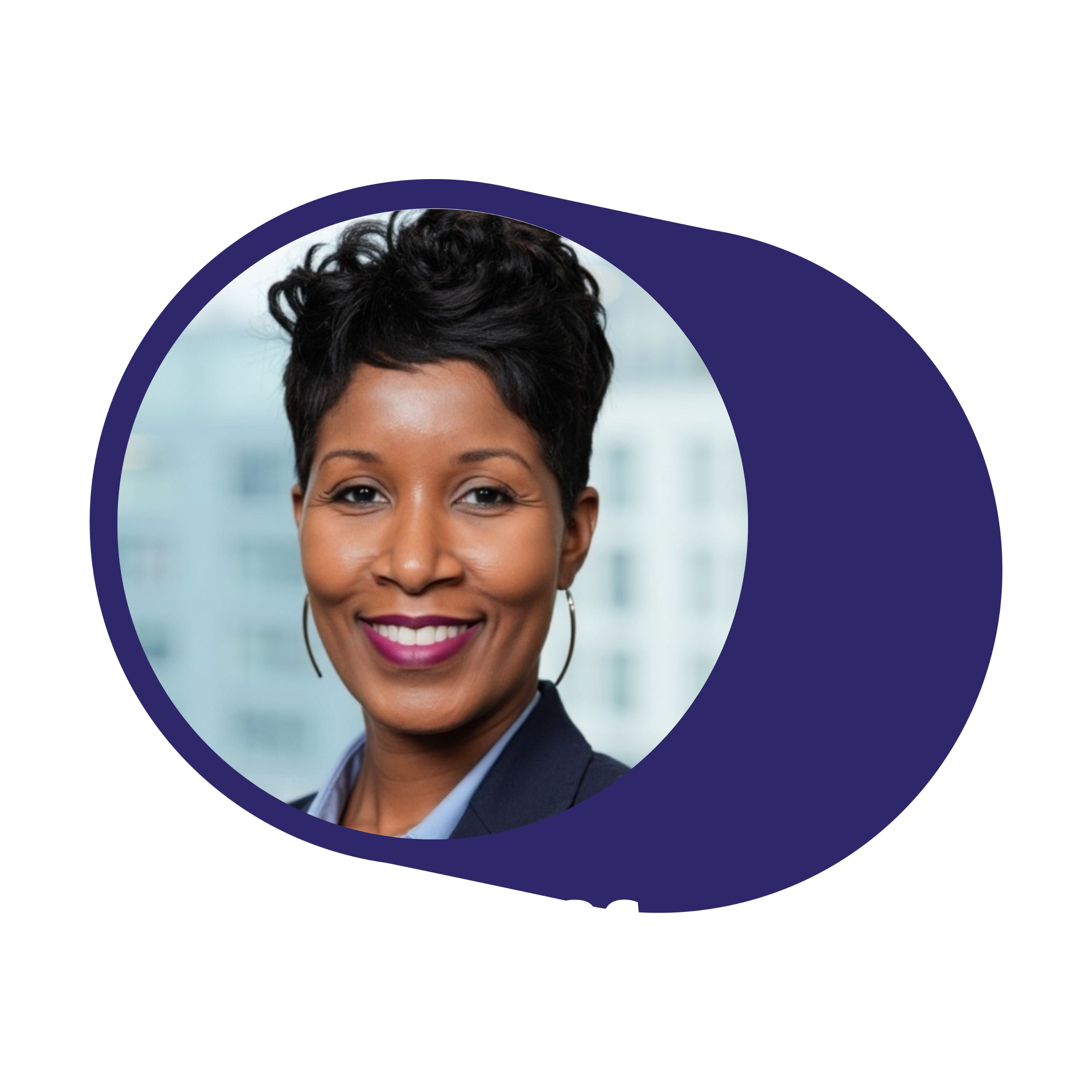
Today I'm joined by Opal Wagnac, Global Head of Market Positioning and Strategy at Darwinbox. Darwinbox is an AI-native HCM platform built for scale, with a strong track record across some of the most densely populated markets in the world and a serious push now into North America.
Opal came up as an engineer and spent 19 years at Ultimate Software before moving into go-to-market leadership. She brings a rare combination of technical depth and commercial instinct to this conversation.
In this conversation, we talk about what it takes to break into the US market. Why most global HCM players get it wrong. And what Darwinbox is doing differently with AI and product differentiation.
If you're thinking about where the next wave of disruption in HCM is coming from, this is a conversation worth your time.
Let's get into it.
Welcome to the podcast.
Opal Wagnac:
Thank you. Thank you so much for having me, Steve. I was looking forward to this since our first conversation.
Steve Smith:
I, I have been as well. You know, it was, it was really great to, to get to meet you finally, after, you know, hearing about you for so many years. And it, it was such a lively conversation. I knew I had to have you on the podcast because you've got a lot of perspectives and opinions and some of 'em are spicy, so I'm hoping we can get some of that on video today.
Opal Wagnac:
Yeah, something my mom always said. I'm never short of opinion, so yeah.
Steve Smith:
Well, why don't we start with, you know, talking a little bit about your background in your career journey. I know that you kind of came out of software development before moving into go to market executive positions. What was that journey like?
Opal Wagnac:
Wow, that was an interesting one. So my background is I've always been an engineer. Still an engineer at heart. And I actually, when I graduated from college, I went to Columbia University and I graduated with a degree in electrical engineering. I wanted to do semiconductors. I wanted to build the brain that was inside the computer.
Like that was my jam. And I started to look into the industry and I didn't really care for how it looked like, like for me, I needed to be someplace that was a little bit more alive. And at the time, you know, it wasn't the most liveliest of places. And I said, you know what, let me look into consulting, right?
And I had some offers and I was just like, hmm, you know what, this one's in DC. I was living in New York City, graduated, you know, with my degree and I'm broke, right? And in consulting, they pay for your travel and you can have fun on their dime. So yes, let's go. Let's go for it. So I moved to DC and I started working for CGI. And I did that for about five years. What I loved the most was it made me a continuous learner because of the different types of clients that I would engage with to build solutions. So not only understand their business model, but understand the problem that they wanna solve. That was my thing. Like, that kept me energized and that, I guess it fed the engineering nature, that part of me, the most.
But then one thing that DC lacked was I, I didn't care for winter. Anymore. So I was like, all right, well this is my last winter period and I packed my bags and I went back to South Florida, where I was raised. And being in South Florida, of course, it's like, okay, great, I'm back in my climate. I'm back in my zone now I need a job, right? And I found this company, Ultimate Software that was literally 15 minutes door to door from where I lived and they hired me to help build their recruitment application. And that was my first experience, my first stepping into HCM.
And so with that, we came with not just recruiting, but giving me more responsibilities like the technical underpinnings. And that product became what we now know as UKG Pro, had all the technical underpinnings, the platform, workflow, security, mobile, like all of those pieces. Not so sexy pieces, but it is the pieces nonetheless, that when they break, they come find you, right? That's when you get popular all of a sudden. But it also helped where I got to learn a lot about the other pieces that sit on top of the platform, like payroll, like benefits, you know, and so forth.
And so it was one of those things that it kept me going and I didn't expect to be there for 19 years. You know, I was looking for maybe three or four years, or, you know, around that time it was a lot of that type of like, trend was really, really going on.
But I definitely can say that being in the people business was definitely the most interesting because prior to coming to Ultimate Software, UKG — at the time was Ultimate Software — I learned my greatest lesson, which kind of did the shift for me, where you were like, okay, how'd you go from engineering into like this go to market executive? And there was a company called Ricochet Wireless, and this company built a solution where it was like wireless wifi routers, right? Internet routers. Sound familiar? Yeah.
And I looked at the product and this is like the early two thousands. So I'm like, wow, imagine one in every home. Exhibit A, Steve.
Steve Smith:
Yeah.
Opal Wagnac:
You know, we even have wifi extenders, right?
And so I imposed my vision and my value onto that product, and there's nothing wrong with that. But the problem is, yeah, from an engineer to another engineer, of course I see it, right? But how do you make the rest of the world see it, right? That, to me, was the hardest problem to solve. And so being an engineer, it was always about problem solving, but that one right there, that's my ticket.
I was like, no. The reason why I even went more into go to market too is because that company went belly up
Steve Smith:
Mm.
Opal Wagnac:
and took my money with it.
Steve Smith:
Ouch.
Opal Wagnac:
Ouch. But I made a promise to myself that no matter what I'm working on, I will always be able to articulate the vision and the value. So I wasn't your average product manager.
I was one that can future cast. I would give people something to actually, when they're working on something, they understand what, that this is a part of something greater or something bigger. There was a such thing called business value, you know, like, and you had to understand what is the business value of what you're building to the beholder, right? And so even so much, it forces you to even know what is valuable. What's valuable to me may not be valuable to a customer. So what is that, you know? And so going through all of that really propelled my career into going more into marketing, going more into product strategy, commercialization aspects, you know, and so forth.
And so the rest is history. So here I am now at Darwin Box, really, you know, stationed to make sure that our company is making a substantial amount of progress in the United States and grabbing as much market share as we go along.
Steve Smith:
Well, I mean, I really am looking forward to talking about Darwin Box because it's a very interesting company and has been attracting a lot of attention. But I want to, you know, talk a little bit about UKG, Ultimate Software, for a second, just because, and we talked about this in our previous conversation quite a bit.
You know, I'd had the fortune at various times to, you know, work with them as one of my clients over the years. But I've met so many great people who came through Ultimate Software. I mean, I'm such a big fan of that company. And I mean, people like you were there 19 years. What do you think it was about the company and the culture that made it so unique and noteworthy?
Opal Wagnac:
Well, I think what was very special about Ultimate was, well, the first time for me, of course, in my career, I came across a company that was ready to risk it all, right. Ready to risk it all. To really, I would say, operationalize family. That just sounds, the sentence structure doesn't even sound right. How do you operationalize family? Think about it, like we're based in South Florida. It's basically the Caribbean on US soil. And our CHRO at the time, Viv Maza, she did something that was super incredible. Her background is also from Latin America and the Caribbean too. And she was able to like really defy gravity in a way where a lot of the things that she took care of typically, you're expecting your family members to take care of. But she made it as a part of our benefits. She made it as a part of, no, this is what the company will do. Ultimate Software literally took care of you from the womb to the tomb, literally, you know.
And so usually when there is a baby being born or something, like, that's usually a family thing. You know, when there's a death, that's usually a family thing. And Ultimate Software was there for all of those things. So talk about a company that's, it's so anti-corporate culture, but that is actually where true transformation takes place. I talked to so many, so many CHROs, and when we're talking about that word transformation, it literally gets thrown around so much and almost like, it's like, did everything get baptized in the lake of transformation?
But to me, true transformation is evidenced in your employees, and Ultimate Software's evidence showed up so much so. There are babies named Viv,
Steve Smith:
Wow.
Opal Wagnac:
right? Like who named their first born after the lady at work? You know, so like, there's children walking around. Mommy, how did I get my name? It's like, oh, let me tell you about this company named Ultimate Software.
Like, so talk about your, like, it's even now embedded in the lineage, you know, the ancestral lineage of so many families. That to me is transformation to the 25th power. Like you don't, you don't get there, you know, unless you do something really, really radical. And radical she did, her, Scott Cher, they did some radical things and they really changed the trajectory of my family. So my family, they all, they, my kids grew up on Ultimate Software. Even people who don't know what I do for a living, but damn it, they know where I work. And so I wanna say that now. Thanks for giving that spotlight too, because I think that what was dared to be done can be done again, you know, and it's been proven.
Steve Smith:
What's interesting too is that, I mean, and you know this from being in talent acquisition, it's just like one of the things that you look for in screening is, okay, what, when was a person at a specific brand, when that brand did some amazing work, and you know, you were at Ultimate Software, had a great journey there. You've been at IOL and now you're going to Darwin Box. And it's just like when I look at kind of those data points in your career journey, it definitely makes me go, wow, okay. This is something, something interesting. So tell me a little bit about how you came to Darwin Box and why you decided to make this move.
Why did you decide to go there?
Opal Wagnac:
Wow, thank you. So when I was sitting down, I remember just thinking about where's gonna be my next stop, right. And also like organically, you know, I got reached out to, some CEOs reached out to me like, hey, are you open for advising? And I'm like, sure. Here's my retainer, you know, and advising them on that.
I didn't realize, sometimes you don't realize who's watching you. You are just in the motions and you're doing the work, but you often don't know, like if someone sees you on a webinar and they've taken away, like, she understands commercialization, I wonder if she can help me out, you know? And so that organically, you know, became a thing.
And at the crux of it, honestly, Steve, I just like helping people. I just do. And I think that also was a good testament to Ultimate Software too, where they had a giving culture, you know? So it was a part of you to just give, not give back, give, you know, like if there was a Texas storm, we knew we were gonna get a link of like, how much of your salary are you donating? And so that was just a regular thing. And so that being my muscle and my motion. And I need to always be in a capacity where I'm constantly giving. Like whatever I have with me, I can't take it with me. Right? And so I looked at anywhere that I'm going to go next is like my legacy move, not, I've already spent my career being legendary. I don't want someone's spot, like I just rather just part to you, whatever it is that I've learned over the years, it is now fully yours.
And with that, the advising really helped with that. But then I came across these founders at Darwin Box, introduced to me by some of the UKG folks that came over to Darwin Box to really establish the presence in the US market. And you know, Joe calls me up like, hey, you know, I'm at Darwin Box now, and starts talking to me a lot about Darwin Box. And I was like, oh, wow. Sounds like a really good company.
And the funny thing is I researched them years ago. I researched them years ago. I knew a lot about them already, but I looked at them as shots fired from the Indian Ocean. Even when people were kind of like, ha ha, you know? And not really like, mm-hmm. No, this is not the one to mess with. Like, don't let David fool you. It will slay the giant, you know? And I would say that about Darwin Box, this was about four years ago or so, but not even paying attention or thinking that I'm going to end up here. But when I came across, you know, these founders, especially speaking directly with Trian and with Giant, I got to know the founder's heart. All right. And I didn't think that I would come across another founder's heart as sincere as I had with Ultimate Software. And so with that, it's like, who can say that they had lightning strike twice in their career, so this was my second lightning strike.
Steve Smith:
Well, you know, what's interesting is, as you know, Darwin Box has gotten a lot of really good buzz in the industry. You know, again, coming out of India, really kind of making waves on the global scene. But I think that one thing that has, I think, sort of been a question for me is I've seen a lot of companies, international companies, come into the US. And it isn't always a smooth road. It's not always an easy path. And a lot of that is the things that got you places where you were coming from aren't necessarily the things that will translate into a new market.
What do you think Darwin Box is doing differently that can translate into the US market and compete against the SAPs, the Workdays and the Oracles in North America?
Opal Wagnac:
Well, to put it plain, one thing I loved about Darwin Box, you know, Darwin Box has been around for already 10 years now. You know, the platform is about six or seven years old. And even just seeing all these companies say AI first, AI first. Like Darwin Box was literally AI first, like, like first — like first thing they built was a chat bot, you know, and built everything else around it.
But they remained people first and AI native. And I think that was a huge distinction. And one of the things that I remember when I was presenting to my leadership at the time about Darwin Box was, one, they're starting where they're starting is where everyone's trying to go. Right. So Darwin Box is starting in India, right? Starting in India, and almost every PE firm portfolio is asking for you to build your capability center, and where is that? In India. Okay. Call it a margin call, whatever, but that's a big play that's being done. Selling into, you know, the Philippines and with success in Singapore and Indonesia and the GCC area in Dubai. With success, and these are the most densely populated areas on the planet, right? So clearly scalability is not an issue, right?
So selling into these areas and then looking at how many lives are on the platform for these US companies, it took us 35 years to get to those numbers,
Steve Smith:
Right.
Opal Wagnac:
right? And so just, this is calling a spade a spade. If you have that many lives on your platform, you have a lot of data. And if you have a lot of data, you can do AI really well.
And
Steve Smith:
I mean, that's.
Opal Wagnac:
replication house. This is like real stuff.
Steve Smith:
And that's, I think what, you know, sometimes gets lost in what's going on with the front end and the UI and talking about what that experience is. So much of the value of AI is that data there on the back end. And, you know, I think to bring it into even sharper focus around, you know, what's the state of human capital management right now, you know, the HCM market's incredibly crowded and noisy globally, you know, and every vendor's claiming to be AI native now. How do you think buyers can kind of break through the AI washing that goes on, and when you're looking at what Darwin Box's opportunities are to really rise above that, where are you seeing opportunities?
Opal Wagnac:
Well, to call it plainly. One thing we can say about this space is like there's always a flavor of the month. Or, or the year or a couple of years, right?
So the AI washing happens. Remember employee engagement, you know, employee experience, which was really like employee self-service 2.0 if you really wanna call a spade a spade, right? And it's just like, it does this whole cyclical thing, you know, over and over again. And it is just like, it's all about the employee and then rise of the machine, all about the employee, then integration studios, you know, like integrations were like the biggest thing. And so like all of these things, of course you've been here, you've been around long enough. You literally can just like go back to your notebook. It's like, okay, I already have the notes. I already have the answers to the quiz, and I kind of know what this looks like.
And the funny part is, is that with this evolution, even though it has been cyclical, I can say that it has, this time around it's been better. For every time it comes around, it has been better and better, especially with the tech stack and the evolution of it. And so I don't really pay attention to the trend. And what I would say to people is the proof is in the pudding, right? I mean, I, I can, I can call myself a cat. But I can't function like one, you know what I mean? So it's like a lot of those things you're gonna have to cut through. You have to cut through the marketing fluff, you gotta cut through the noise and just go right into the proof.
And so some of the things that I'm doing here at Darwin Box is, I feel like a kid in a candy store. Steve, I kid you not. I mean, UKG was cool, but our tech wasn't that great. That's just, I mean, and I helped build it so I can call my baby ugly. All right. I can call my baby ugly. And one thing I can say with Darwin Box, especially being, you know, developing in APAC and being, it's a very tech forward, you know, region of the world, and being this tech forward, I feel like a kid in a candy store.
I'm discovering things almost daily. Things that I, I would have these ideas and every idea that I have, I create a PowerPoint from it, and I put it in the vault, I just store it away. And my vault, I never really pull anything out because I kind of felt like the product is not gonna take on this, or people are just not gonna understand, or there is gonna be some red tape, some bureaucracy, or someone getting in their feelings about something. It was like, ah, right. But at least I needed an outlet for my ideas. I can definitely say the things that I saw in Darwin Box made me pull things out the vault.
Steve Smith:
Really.
Opal Wagnac:
It made me pull things out the vault. So it definitely has, I would say, reinvigorated my ideas of coloring outside the lines to the point that you're just like, what lines? You know? And so you're gonna see some very interesting use cases that people will dare to dream. And I can definitely say I'm grateful to have these types of toys in my hands to be able to give it that. So for anyone looking at any solutions, again, the proof is definitely in the pudding.
Look at these use cases. Even talk to some references, you know, because if they can claim what they say, then they should also be able to show you who can do.
Steve Smith:
Well, you know, in such a noisy market right now for enterprise HR buyers, you know, it's hard to know what to really kind of focus on. That's important, you know, when we're in the period of such transformational change. What do you think that buyers are getting wrong when they're evaluating HCM platforms right now?
Opal Wagnac:
To quote my friend Chris Harvey, he just said it the other day. He said they're going through their evaluation just looking for their next HCM. And instead of looking for your next HCM, look for your last HCM, right? This is the part where you get to dream, right? This is the part where you can actually make up for past sins, you know?
And you don't necessarily have to do a lift and shift and just dump everything exactly the way you had it. It's like, no, like your business model was hamstrung for decades because of your software solutions. Now it's your opportunity, you know, your opportunity to rise to the occasion. And speaking with a lot of partners, especially, that's a part of my remit at Darwin Box too. I put it on them, you know, like your expertise is for hire and these clients are hiring you. This is your moment when you come to Darwin Box. Let it be your moment to rethink or reimagine what it could be because you're now in a platform where it's possible.
Steve Smith:
Well, you know, I mean, we were talking a little bit before we hit record about, you know, kind of the AI and HR situation right now. And I mean, there's a ton of hype and trying to cut through the hype to the reality. You know, one of the things you've described with AI maturity is kind of following a similar path to the internet. You know, moving from fear and skepticism to assumed infrastructure. Where do you think we are in that curve right now in HR tech, specifically in HCM?
Opal Wagnac:
Yeah, well, I can definitely say for AI the adoption curve is going to be faster than what our ancestors went through with electricity.
Steve Smith:
Mm-hmm.
Opal Wagnac:
You know, they're just like, oh wow, you discovered electricity and now you can get your whole house wired. You know, my grandmother still didn't have electricity. She's like, I don't trust those things above my head, you know? And it was just like, okay, well she was born in 1898. Okay. No harm, no foul. I'm having electricity. Right.
But think about it from the time electricity was discovered until, you know, now, you know, it's just like that went through a whole, like these were decades upon decades upon decades of adoption, and there's still people who still don't have electricity, you know. And then even so much for the internet, to your point, right. You know, call it internet the new electricity, right? Where internet was of course being introduced. And then now here I am talking to you over wifi. I've got wifi extenders in my home, I've got a hotspot. My, I get in the car, my kids are like, mommy, gimme your hotspot, please. You know, like, so talk about that level of accessibility, you know?
And the window was much shorter than that of electricity, right? So I call AI the new internet, right, where even so much it's gonna go through its same, it is gonna get its own swag instead of calling those two letters, like internet went to with the cloud. You know, like it's going to have to go through its own motion, but I think it's going to be at a much faster pace. Because we have so many different variations of AI, right? I just wanna bucket everything as is. But there's things that people, like a lot more people are using AI that, I mean, I got a 90-year-old mother-in-law, you know, talking to ChatGPT and who knew, right? Who knew? And she's able to get her information, you know, and everything.
So like, here it is, like the most, you know, the not the most skilled user is able to access it. Right? And so look at from the advent of that generative AI to being widely available till now, so it's getting narrower and narrower and narrower. So I do believe that the adoption will be very fast paced, but we are also producing a lot of innovation just across the board at a pace we can't really keep up with.
Steve Smith:
Yeah, and I mean, I think it's scary for a lot of people, you know, when you see stuff like, you know, like Claude for HR comes out this week and, you know, we were already kind of, I think in the middle of, sort of a freak out of AI displacing job roles and now specifically HR roles. What's your take on that? What do you think the HR function looks like in five years?
Opal Wagnac:
Well, I think that when it comes down to just bringing it back to the human, right, the reason why you exist is, is the age, right? And even looking at the evolution of HR's function, you know, once upon a time their main goal was to make sure that nobody dies on the shop floor. Right. That was it. You know? And how many deaths occurred. And then of course, I mean that's still caring for people to an extent, but of course it then became more and more, you had personnel, you know, like even calling out those types of terms. But it still evolved around the person.
And it's like, one of the things that I always tell my kids, my nieces and nephews, is, you know, always be creating value. Like you, you are here on this earth, not just to breathe in and out. Right. Create value. And I think that when people find their jobs and looking into like all the things that they do in their jobs, they feel that they're actually creating value. Sometimes, you know, some people are overwhelmed and some people are underwhelmed and some people are just, well. Right. So it's really the "just, well" that you should be concerned about right about now. Right. And so looking at the "just, well" jobs, then I think it's okay to like, hey, let me go and continuously learn so I can be creating more and more value. And I think that when we press the brakes on that particular energy, you know, as humans, it's like whatever's not growing is dead. Right.
And I think if anything, we just need to make sure people are still alive. And here's a way that you can be alive and it's not necessarily always in service of the organization. Some things are just also in service of yourself. Like I think HR can not only just be like, here's some learning curricula for our company. How about basket weaving? No, like, like there are certain things where I think you can gain a lot more from people with the diversity of thought, right? Or them actually being able to like explore different things versus the rigidity of just your domain.
And I think that's something to consider because you really don't know what invigorates people, you really don't know what motivates people. It might not be your organization, it might be something outside of your organization, but guess what? You get the benefit of it. So why do you care?
Steve Smith:
Well, you know, I think something that's interesting in terms of like, you know, sort of that diversity of perspectives that you're talking about. And I know that this is something that you're interested in very specifically is sort of like the convergence of HR and IT, and we've seen buying committees expand. We've seen IT have a lot more say in product selection and product deployment.
When you're sort of looking at go to market right now, and with this sort of in mind, what do you think has changed over the past few years about kind of the intersection of IT and HR?
Opal Wagnac:
I think the most surprising thing that I saw was, I can't remember who did a poll, but there was someone who reported that the head of HR is now reporting into the CIO. Right? And it was like, shots fired. Can't believe this, you know, and it's like, whoa, let's think this through. In essence, HR and IT are in service of the organization. That's what they do. They're in service of the organization, in particular, the employees. Right. They're a shared service. On top of that, they don't belong to development, they don't belong to marketing. They really are pretty much ubiquitous across the entire organization and as a shared service.
They even have a ticketing system, right? So when you look at something like ServiceNow, ServiceNow is pretty much pointing to IT for a very, very long time. Right? So the ticketing system from IT. Guess what? HR service delivery. You too, right? That same case management, that same delivery system. It was just baptized in a lake of IT, you know?
But no matter what, when you see those types of, they may have the same goals, but they manifest differently. Right. And I think that with AI being a catalyst, it is forcing them to come to the table. Before, they would not just be like back to back. Just out, I'll tell you when to come into my evaluation for my product that I'm purchasing with my money and my budget. You know, now, actually this is like my second day on the job here at Darwin Box. I joined a sales call. It was very interesting because you had your typical, it's like you have payroll, you have HR, you have everyone coming in the room, and it's like, oh, nice. You know, and they're seeing the product and they're commenting and everything, and they always have the guy or group of guys from IT, and they're like in the back arms folded, like,
Steve Smith:
Scowling.
Opal Wagnac:
Do I need to be here? Do I get up to go use the bathroom now? Like, what is it? Right? And they would start to ask questions, you know, and so I saw for the first time in my life IT go from this to this
Steve Smith:
And what did it.
Opal Wagnac:
when they saw what they can do and what they can get rid of. So the enablement of your solutions is not just HR to get you in the room. You know, but you gotta win the room now, right? And so Stacey Harris called out where she saw in the data that budgets were being shifted, right? More and more budgets were being shifted from HR to IT. You know, with AI being that catalyst, you know, being that connective tissue as to the reason why it needs to live there and the consolidation of it.
And so one of the things that when we showed was Darwin Box's Super Agent, we were the first to build a Model Context Protocol server, MCP server. And what that does is it allows you to be able to engage agent to agent, you know, and having that type of server that's built up. You literally can just be in Darwin Box and you're doing someone's performance review and it's like, this is a seller, right? It's like it's an AE and it's like, okay, let me go. Like, what was their pipeline last quarter? Right? And it knows, hmm, you are asking me a question that's not from my domain, but it's from HubSpot's domain or Salesforce's domain. Let me go give this prompt to them and then render back their results. Right, without you having to switch context. Because that is also another thing where the conundrum of all these AIs, there's like everybody having one now.
You basically created this AI ghetto in the ecosystem where people are trying to like, okay, I'm gonna use ChatGPT for this, Claude for that. Oh yeah, Gemini for this, and you have your favorites. But then it is kind of crazy. You know, you now need like a, well, a quarterback play card just to figure out like, what play are you gonna run this time?
But the Darwin Box Super Agent eliminates all of that. It eliminates all of that where it can just understand context and it understands, hmm, I know exactly which agents I need to deploy, which AI I need to go deploy to be able to render back the solution to you.
And so we showed that and they're just like, hold the phone. I'll be right back, you know? And so that has always been a regular thing for people at Darwin Box, but it was my first time seeing it. And so seeing the audience reaction really left me bewildered, like, hmm, so this HR IT convergence, this is what it looks like. But for the life of me, Steve, I'm trying to call it something. And maybe I don't call it anything, but I do wanna recognize that the behavior shift, the change altogether.
Steve Smith:
Well, I mean, I think it, for me, it's kind of a hold the phone moment because when you think about like the different AIs that are out there, just like, you know, it seems like when you think about sort of that single vendor ecosystem with AI, it's just like, you know, sometimes you're gonna want to use ChatGPT for this, or Claude for that, or Perplexity for something else, or Gemini. And it's just like they all do different things better and I think that, you know, when you're kind of describing that Super Agent, what really, I think, kind of gets my attention is, that's really the reality we're in now. It's not like you're going to be in a single ecosystem and that's gonna solve all your problems.
You have to be able to pull together the best of various ecosystems, but have your agents be able to do that work for you. And it seems like that's something that is really kind of unique about, you know, what Darwin Box is doing and where they're at right now. What else is in your bag of tricks over there?
Opal Wagnac:
Wow. Well, that's a really, really big one. Because it, you know, a lot of HCMs think that they're the only game in town, you know, whenever they're showing anything or even so much when you're building product. A lot of product managers think that they're the only, like, no, you, they're, you have to go in knowing that you're just one of possibly 200 in their ecosystem. How do you play nice?
And I think integrations had their fun, right? I think integrations had their fun and integration is a very broad term, 'cause the SSO, what people call that an integration, one direction, bi-directional. But I think there's something to be said now even about being able to query context right from a completely different domain. And it also kind of like a lot of things that you were just trying to create a whole data lake around, like, let's just compile everyone's data in this lake and that way I'll be able to get richer context reporting and stuff like that too. It's just like, hmm, do you really need to do that? You know? So it turns a lot of use cases on their side because then you have people saying, hey, I need a data lake to pump all this data in. Well, what for? Oh, whenever I just need to query something. It's like, well, you don't need to do that when you can just use your super agent and get the information that you need.
Steve Smith:
Wow. That's pretty remarkable. That's definitely, seems like an unfair advantage for y'all, which is what you wanna cultivate. Another thing that I think is, for me, kind of interesting about your background is the fact that, you know, when you were at Ultimate, you did a lot of work with analyst relations. And just like a new, you know, we'll call Darwin Box a new entrant, even though they're 10 years old. But it's just like a lot of times up and coming brands, the biggest challenge they have is getting awareness in that analyst ecosystem. And it seems to me that that's a huge advantage that you already have those relationships, you have that background.
What do you think up and coming brands really need to know? Well, I mean, regardless of category or where they are kind of in the HR tech work tech space, what do you think that they need to do well with the analyst relations component of their go-to-market strategy?
Opal Wagnac:
Well, I think that too many people put so much emphasis on a graphic, right? And again, use case is the proof in the pudding, right? So even not to pick on Gartner, but pick on Gartner,
Steve Smith:
You're not gonna hurt my feelings.
Opal Wagnac:
you'll see all of, so many of those that are in the leader quadrant and just far exceeding so many others. But when in their companion report, the use cases, they're not number one. Right?
So when it comes down to brass tacks, that's what you really should be looking at when you're actually evaluating your solutions. So what I tell other vendors is that focus on those things, you know, or else you're just gonna be enamored with putting different shades of lipstick on your pig.
You know, it's just like, no, no, no, you can definitely do this. But focus on those things. And at the same time, analysts have a lot of leverage, so understand their business model. And not everybody has the same business model, but whoever you're dealing with, no different than how you would sell to a prospect. You have to learn their business model. You have to learn what value they're trying to create and be a part of that. Like if you know an analyst is all about AI, don't go brief them on learning.
Steve Smith:
Yeah.
Opal Wagnac:
You know, so it's important that you are making sure you're having the right conversations and saying the right things to the right people, you know? And I think that there's not a lot of thought into that. They may have put analysts in just one big bubble and just think that they're all the same. And it's like, well, they actually have to make money too. So they have to advise clients. Clients, give them a reason to mention you, considering their client pool.
If you don't know their client pool, then you need to do a little bit more homework. And I think that that is the best approach in engaging with analysts to really get your name out there.
Steve Smith:
Well, and that sounds like a no-brainer, but it's a mistake I see a lot of companies make over and over again is not having the right conversation with the right analyst and not understanding, you know, what it is about their business and what it is about the research that they're doing. What are the things that they care about?
But I think that also some of the things you brought up continually through this conversation is the importance of just storytelling. You know, whether it is storytelling around a use case or storytelling around your brand, who you are, what you represent, what you believe. That's always something that seems like it gets lost. It seems like too many companies want to, as you say, fall back on the graphic, that slide that is supposed to illustrate everything about your product platform. And it's almost like, oh, I'm just gonna let the graphic do the storytelling.
When it comes down to being able to tell very specific stories like you're talking about with the Super Agent, that's a really compelling story and it seems like still too many brands don't, haven't got that memo yet.
Opal Wagnac:
Yeah. You know, you're absolutely right. And the storytelling piece, I hear it said a lot, but I don't see it done a lot. Like people are very quick to say, here's what I do. Right. But it's just like, listen, especially for the US market, and I think that's the one thing that, I would say for my fellow Darwinians in India, I've definitely been helping them open their eyes to how to capture, you know, the US market.
And it's like, you need a soul.
Steve Smith:
Yeah.
Opal Wagnac:
You need a soul. Like you can have the best tech. So, you know, I mean, Apple can sell refrigerators tomorrow and they will probably have substantial market share and I bet you they won't even make ice. You know, like people need to attach themselves to a brand that there's a soul that is attached to too. And think about it, your soul is really coming through from your story. So if you just say, here I am. It's like, how'd you get here? How'd you get here? Why? And then you can have like just three toys, but the story that I tell people will look at it like it's 300 toys. Like wow. You really have to set the stage.
And definitely for the US market, anyone entering this market, you will fail if you do not have a good story to tell.
Steve Smith:
Yeah. And that's such a common, common failure point. I mean, one thing I'm wondering is like, you know, looking ahead over the next 12 to 18 months, what does success look like for Darwin Box in America? I mean, not just revenue, but you know, where do you want the brand to land in the minds of buyers and analysts?
Opal Wagnac:
Well, I want people to look at Darwin Box and really go through those emotions, right? Like, wow, why didn't I think of that? Or man, this makes so much sense, or we should do this now rather than later, right? So it's the, again, we sell to people. We don't sell to robots, we sell to people and not machines. And people, no matter what, it's always an emotional buy. I don't care if it's a new phone or whatever. It's always an emotional buy. And we wanna make sure that people are feeling those things when they're purchasing, when they're using, when they're renewing. And it needs to be on a continuous stream.
And so with that, I want people to look at Darwin Box and feel that Darwin Box gave me agency, right? One thing about agency is it's about using your voice. It's about, you know, it is actually like liberation, you know, at the same time too. And so looking at agency in the very sense of the word, like even just, I think we used the word autonomous, making your people autonomous. And they'll be like, no, I don't want 'em to just do whatever they wanna do. No. You know? And then of course the agents replacing, no, we don't want agents replacing them. But no matter what, I think it's one of those things that, kind of like employee self-service, manager self-service got wrong. Where it had everything in front of it to give people agency, but all it really did was just relegate HR's work onto them. Right. So it was just an additional burdening if anything.
I think that Darwin Box is the one to set the captive free, to really give that unburdening, giving that agency, and give that agency for all from the executive down to the lowest paid employee. Everyone is able to get that agency.
Steve Smith:
I love that. And I guess one thing, final question for you. If you could change one thing about the work tech industry, how it talks about itself, the language, the framing, the metrics, what would it be?
Opal Wagnac:
If I can change one thing, I think if anything it is, stop trying to be something you're not. Right. Like trying to, I'll just pick on employee experience. Right? And it's like, you're not, like, stop trying to be all things to all people. Really. Like, know your audience, know all those things. 'Cause even for employee experience for a time, it's like when an employee wakes up in the morning, they're not logging into your system. Let's be
Steve Smith:
Right.
Opal Wagnac:
right? They're not. I'm a mother of three. Yeah, my work week begins on Sunday. I'm not logging into your system. Right? So if you're really going to do employee experience and do it right, if you are not meeting me where my experience is, I just happen to be an employee of yours, then those are the things.
So like I feel like stop trying, stop reaching, you know, and just be. Just tell it like it is. What is it that you're doing? And not trying to just be something that you're not.
Steve Smith:
You know what, that was gonna be the last question, but what you just said was so interesting that I want to ask you one more question. You know, what you're touching on is something that HR platforms have been trying to do for, they want to be that destination app, that destination solution. And I think that there's an aspect to that that is, you know, like you touched on, it's like, no, that's not gonna be the place I go.
Do you think that necessarily has to be that case? Or do you think that there is something that could change that with HCM solutions?
Opal Wagnac:
I don't, I don't think, I mean, it's nice to want those things, but listen, that's not your lot in life. Right, right. That's not your lane.
And I think just stay in your lane. So, like I was just saying to some of the product folks before that, when people log into your HCM, you've already made up your mind what you're gonna do.
Steve Smith:
Right.
Opal Wagnac:
Let me go run payroll. Let me go run this report. Like you've already committed, right? And then you're frustrated when you can't find it. Like that's how committed you are, or can't execute on it. That's how, like, no one's like logging in, let me see what Steve's doing. What's popping? Hey Steve, what'd you do this week? Like no one's logging in for that. You know, and I can just say that for the US market, I can't really speak for other geos.
But if it's not that social atmosphere or that thing, it's like, you know that people are multidimensional. Like if you're logged into your HCM all day, there's a problem there. That is actually a sign of a problem. And if anything, Darwin Box is positioned as the people partner within the ecosystem feeding context to Microsoft Copilot, right? So that you are using Copilot and it provides that context along with it so it understands like, oh, you're asking about something. Let me see how much PTO accrual you got because you're looking at vacations. Oh, let me give you some options so you don't have to, you know, deplete your bucket, you know, those types of things. It's like, be that people partner in the ecosystem and stop forcing people, you know, to put them someplace where it's very, very difficult. And I think that B2B needs to stay B2B. Their B2C is a whole nother animal.
Steve Smith:
But be meeting people where they are. I think that is a noble aspiration for any solution. You know, don't make 'em work harder than they have to.
Opal Wagnac:
Mm-hmm. Yeah. Just meet them where they are and you're done. You still get to surface to them all the things and provide the value. Right. And they're able to receive it and, you know, and so forth. So to me, the job is done. Just because no one looked at your pretty UI that you spent years doing. You know what? You need to get over that real quick. Right? Someone's gonna look at it. It doesn't have to be everyone.
Steve Smith:
Well, Opal, thank you so much for your time today. This has been a great conversation and I'm looking forward to seeing where you and Darwin Box are going from here.
Opal Wagnac:
Yes, me too. Thank you so much for inviting me, Steve.
Steve Smith:
Happy to have you here. Thank you.
Opal Wagnac:
Thanks.
Steve Smith:
Most companies go into an HCM evaluation looking for their next system. Opal's argument is that you should be looking for your last one. This is the moment to reimagine what the business could look like if the software wasn't holding it back. Not a lift and shift. A fresh start.
That reframe matters because the technology has actually caught up to the ambition. The story Opal tells about walking into a sales demo and watching the IT team go from arms folded to leaning forward is one of those moments that says more than any slide could. Something shifted in that room. And that kind of shift is what actually moves organizations.
The companies that figure this out won't just buy better software. They'll build differently. They'll think differently about what their people can do when the system is working for them instead of the other way around.
That's the opportunity on the table right now. And it's bigger than most buyers realize.
If you enjoyed this episode, make sure to subscribe to Work Tech Weekly on Apple Podcasts, Spotify, or YouTube Music. And I'll see you next time.